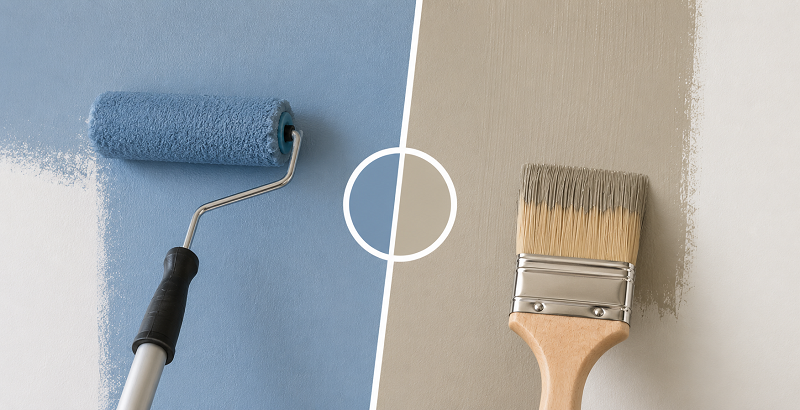
For large, flat surfaces where speed and uniform coverage matter, a roller brush is the preferred choice. For precision work, edges, corners, trim, and detailed finishes, a paint brush delivers better control. In professional projects, both tools are used together—rollers for efficiency, brushes for accuracy and finishing.
What Is the Difference Between a Roller Brush and a Paint Brush?
A roller brush consists of a cylindrical core covered with fabric (such as microfiber or foam) that rotates as it applies paint, enabling fast and even coverage across wide areas. A paint brush, by contrast, uses bristles—either natural or synthetic—to apply paint with controlled strokes, making it suitable for detailed and intricate work.
From a manufacturing perspective, the difference also lies in material engineering:
Roller brush: Core tube, adhesive bonding, fabric density (nap length), and lint resistance are critical
Paint brush: Filament type, bristle flagging, epoxy setting, and handle ergonomics define performance
For buyers sourcing from a roller brush manufacturer, understanding these structural differences directly impacts product selection and end-user satisfaction.
When Should You Use a Roller Brush?
1. Large Surface Areas
Roller brushes are designed for efficiency. Walls, ceilings, and floors can be covered significantly faster compared to brushes.
2. Smooth and Semi-Smooth Surfaces
Short nap rollers (3–10 mm) are ideal for smooth drywall, plaster, and finished wood, ensuring a uniform coating without streaks.
3. High-Volume Commercial Projects
Contractors working on residential developments, commercial buildings, or repainting projects rely heavily on rollers to reduce labor time.
4. Even Paint Distribution
Rollers minimize visible brush marks, especially when applying emulsions, latex paints, or primers.
When Should You Use a Paint Brush?
1. Edges, Corners, and Trim Work
Brushes provide precision where rollers cannot reach—window frames, door trims, moldings, and tight corners.
2. Detailed and Decorative Finishes
For varnishes, enamels, or artistic finishes, brushes allow controlled layering and texture.
3. Small or Irregular Surfaces
Metal railings, furniture, and curved surfaces require the flexibility of a brush.
4. Surface Preparation and Touch-Ups
Brushes are essential for correcting missed spots after rolling or for applying sealants and coatings in targeted areas.
Roller Brush vs Paint Brush: Key Performance Comparison
| Feature | Roller Brush | Paint Brush |
Coverage Speed | Very High | Low |
Precision | Moderate | Very High |
Surface Suitability | Flat, large areas | Detailed, complex areas |
Finish Quality | Smooth, uniform | Controlled, textured |
Labor Efficiency | Excellent | Moderate |
Paint Consumption | Moderate | Low to moderate |
From a procurement standpoint, distributors often source both tools in bulk, combining roller brush wholesale orders with complementary paint brush lines to meet diverse contractor needs.
What Is the Best Tool for Painting Walls?
For walls, a roller brush is the primary tool due to its speed and ability to deliver consistent coverage. However, professionals typically “cut in” edges with a brush before rolling the main surface. This hybrid method ensures both efficiency and clean finishing lines.
Can You Use a Roller Instead of a Paint Brush?
A roller can replace a brush for large, open surfaces but cannot fully substitute it. Rollers lack the precision required for edges, joints, and detailed areas. Attempting to use only a roller often results in uneven edges and incomplete coverage.
Do Professional Painters Use Both Tools?
Yes. Professional painters always combine both:
Brush first: Define edges, corners, and detailed zones
Roller next: Fill large surfaces quickly and evenly
This workflow improves efficiency while maintaining high-quality finishing standards.
How to Choose the Right Roller Brush for Your Project
Nap Length Selection
Short nap (3–10 mm): Smooth surfaces
Medium nap (10–18 mm): Semi-rough surfaces
Long nap (18–25 mm): Rough or textured walls
Material Considerations
Microfiber: High paint absorption and release
Foam: Smooth finishes for fine coatings
Polyester blends: Durable and cost-effective
Supplier Insight
When sourcing from a roller brush manufacturer, verify:
Fabric density and shedding resistance
Core strength and balance
Adhesive durability under solvent exposure
These factors directly influence performance in professional applications.
How to Choose a High-Quality Paint Brush
Bristle Type: Synthetic for water-based paints; natural for oil-based coatings
Flagged Tips: Improve paint pickup and smooth application
Ferrule Quality: Stainless steel ferrules resist corrosion
Handle Design: Ergonomic grip reduces fatigue in long projects
For distributors and contractors, consistent quality across batches is critical—especially when sourcing in bulk.
Is It Better to Buy Roller Brushes in Bulk?
For contractors, wholesalers, and distributors, bulk purchasing offers several advantages:
Working directly with a roller brush manufacturer or engaging in roller brush wholesale procurement ensures better pricing control, customization options, and stable inventory.
Common Mistakes When Choosing Between Roller and Brush
Using a roller for detailed trim work → leads to messy edges
Using a brush for large walls → increases labor cost and time
Choosing incorrect nap length → results in uneven coverage
Ignoring paint compatibility → affects finish quality
Understanding tool limitations is essential for both end-users and procurement professionals.
How Do You Achieve a Professional Finish?
Start with edge work using a high-quality brush
Select the correct roller nap based on surface texture
Apply paint in consistent, overlapping strokes
Maintain proper paint loading to avoid drips or dry marks
Combining the strengths of both tools is the foundation of professional-grade results.
Conclusion
Roller brushes and paint brushes are not competing tools—they are complementary. Rollers maximize efficiency and coverage, while brushes ensure precision and detail. In professional painting workflows, using both strategically leads to optimal results in quality, speed, and cost-effectiveness.
For businesses sourcing painting tools, aligning product selection with application scenarios—and partnering with a reliable roller brush manufacturer—can significantly improve both project outcomes and supply chain efficiency.
FAQs
What is the main advantage of a roller brush?
It provides fast, even coverage across large surfaces, reducing labor time.
Why do paint brushes leave marks sometimes?
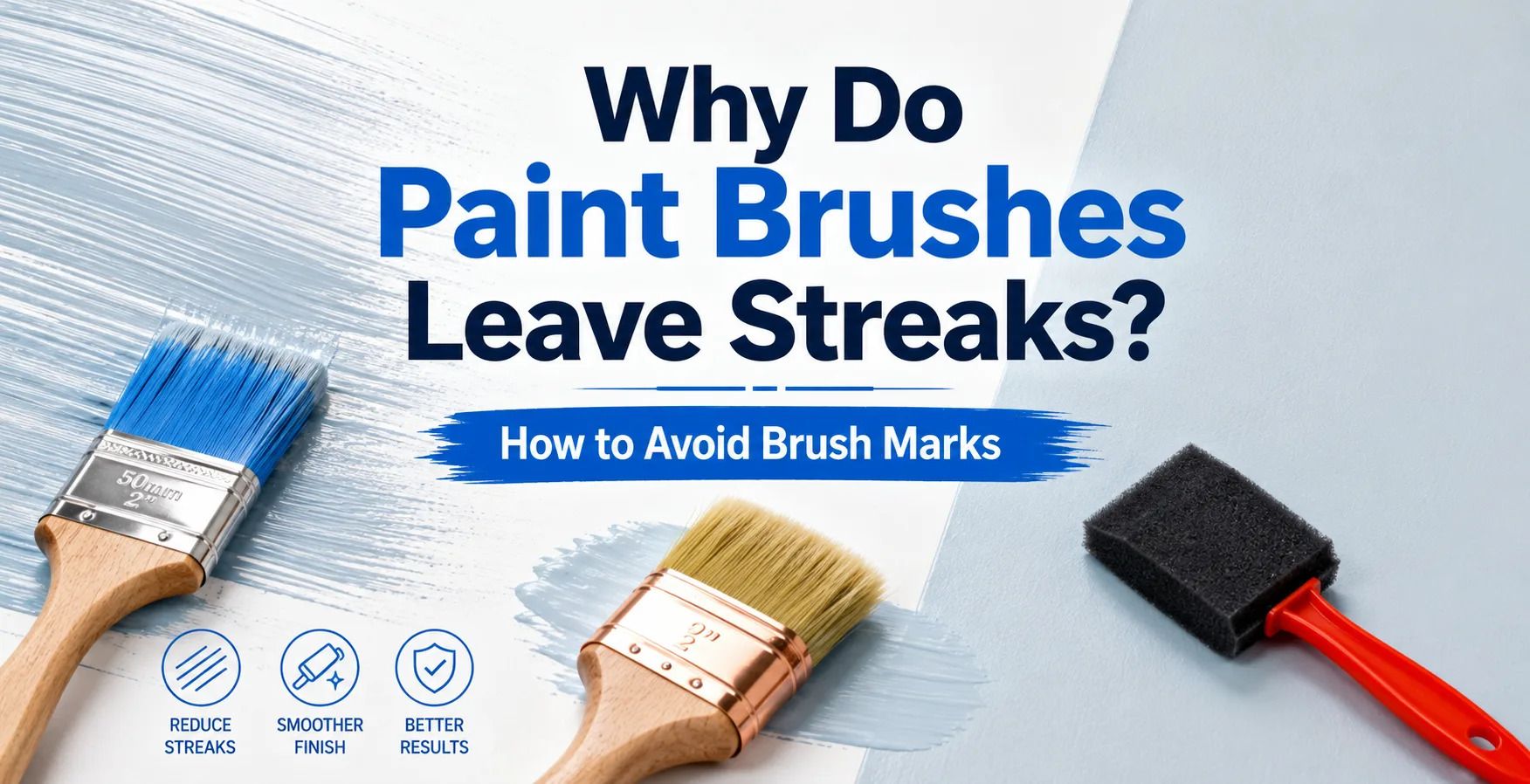
Brush marks occur due to improper technique, low-quality bristles, or incorrect paint viscosity.
Can beginners use roller brushes easily?
Yes, rollers are generally easier for beginners because they distribute paint more evenly with less technique sensitivity.
How long does a roller brush last?
With proper cleaning and maintenance, a high-quality roller can be reused multiple times, though performance depends on material quality.
Should I choose a manufacturer or a supplier when buying in bulk?
Working directly with a manufacturer often provides better customization, pricing, and quality control, while suppliers may offer more flexible order quantities.
 English