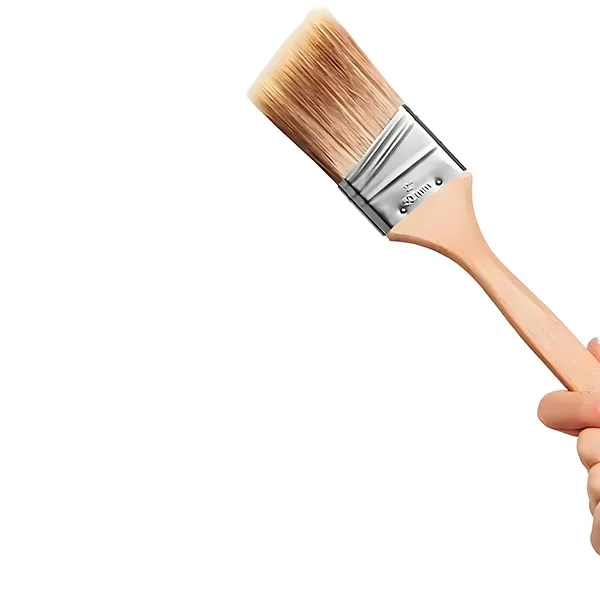
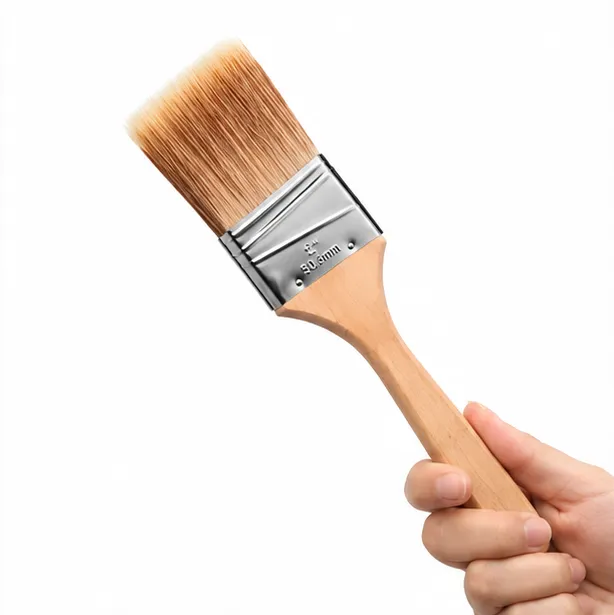
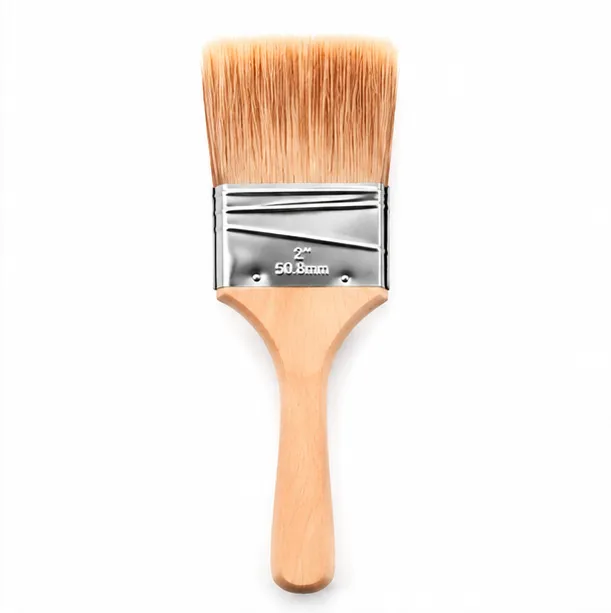
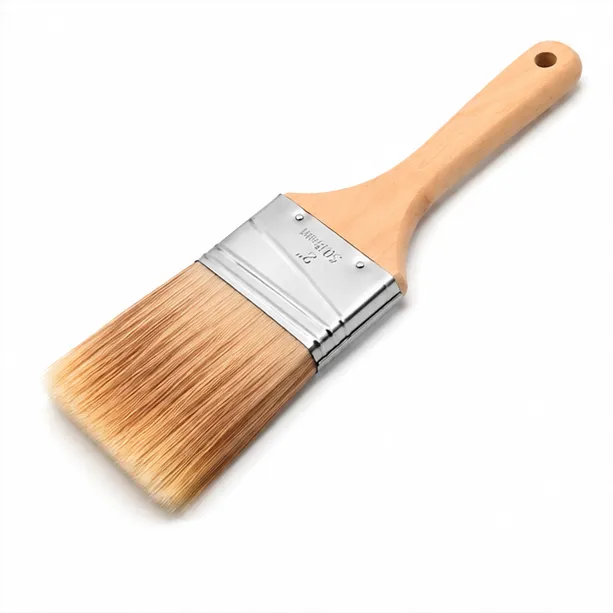
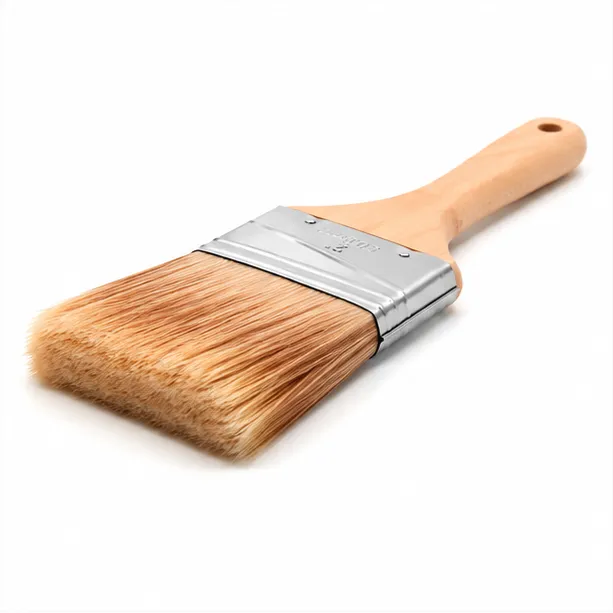
Durable, high-performance slanted brushes designed for precision cleaning, deburring, and surface finishing. Slanted Brushes feature stiff, resilient bristles that effectively tackle even the toughest residues, ensuring a flawless finish. Ideal for meticulous work on machinery, intricate metalwork, and stubborn deposits. The ergonomic handle provides comfortable, non-slip grip, allowing for efficient control and reducing hand fatigue during extended use. The slanted design maximizes contact with surfaces, enhancing cleaning efficiency and precision.
A slanted brush, also called an angled paint brush, is mainly used for precision painting tasks such as cutting in around ceilings, corners, window frames, trim, moldings, and edges. The angled bristle design provides better control and helps create cleaner, straighter paint lines.
The main difference is the shape of the bristles. A slanted brush has angled bristles for detailed work and cutting-in, while a flat brush has straight-cut bristles designed for broader coverage and general painting. Slanted brushes are often preferred for trim and edge work where precision matters.
The right size depends on the application:
1–1.5 inch: narrow trim, corners, and detailed work
2–2.5 inch: doors, cabinets, window frames, and interior cutting-in
3 inch and above: larger trim areas and exterior painting projects
Choosing the correct size improves both painting accuracy and efficiency.
Yes. Slanted brushes are widely preferred for cutting in because the angled edge makes it easier to paint straight lines around ceilings, baseboards, corners, and trim without relying heavily on painter’s tape.
Synthetic bristles are generally recommended for water-based paints such as latex and acrylic coatings because they maintain stiffness and durability. Natural bristles are often better suited for oil-based paints, stains, and varnishes where a smoother finish is needed.
A good-quality slanted brush with properly tapered bristles can reduce visible brush marks. Using smooth strokes, applying the correct amount of paint, and selecting the appropriate brush for the coating type will also improve the final finish.
Yes, but slanted brushes are typically used for edging and detailed work rather than painting entire walls. For large wall surfaces, paint rollers or wider flat brushes are usually more efficient, while slanted brushes help achieve clean edges around corners and fixtures.
Call
Address
East side of Erling Town, Danyang City, Jiangsu Province, China