Repainting the interior of your home is a great way to refresh your home. You can completely change the look and feel of your home with just one coat of paint

Here are 9 steps are needed to repaint the wall
1. Water spray
In order to ensure that the wall is flat and beautiful after painting, the wall should be cleaned before painting, and the wall can be sprayed with a water pipe to moisten the skin of the old wall, which is convenient for the next construction.
2. Shovel the wall
It is to wet the old wall with a shovel to the depth until the inner layer of the cement mortar (mortar) wall or the old putty layer is exposed.
3. Brush interface
After shoveling off the old wall skin, thoroughly clean the surface to ensure that the wall is free of dust (can be washed with water or wiped clean after washing), and then brush the interface agent evenly. It can make the cement mortar layer tightly seal, thus increasing the adhesion of the paint. After applying the interface agent, wait a few hours to dry before proceeding to the next step.
4. Repair cracks
Generally speaking, after staying in the house for a long time, cracks of different sizes will appear on the cement mortar layer, and some cracks can be directly exposed. When recoating, the cracks must be filled with white latex (foam glue). If the crack is small, tape the crack with kraft paper tape.
5. Wall leveling
The walls of the base are generally uneven and need to be leveled. Putty paste is generally used, but it should not be too thick. If the putty is too thick, the wall is prone to cracking. Usually, the putty needs to be scraped at least twice, especially for uneven walls.
6. Patch
Under normal circumstances, non-load-bearing walls such as stucco walls or thermal insulation walls should be pasted. Generally, high-quality wall coverings and white latex are used. If conditions permit, mesh cloth can be used, so that the crack resistance of the wall will be better.
7. Scrape putty on a large area
Can scrape putty on a large area. In order to paint the application effect, it is recommended to use putty with good fineness and hard texture. Don't save money here. You can also add some white latex to the putty to improve the hardness of the putty.
8. Grinding and polishing
When the walls are dry, sand all walls with fine-grit sandpaper or a polisher for a smooth finish. Smoothness can be detected by hand touch.
9. Brush the paint
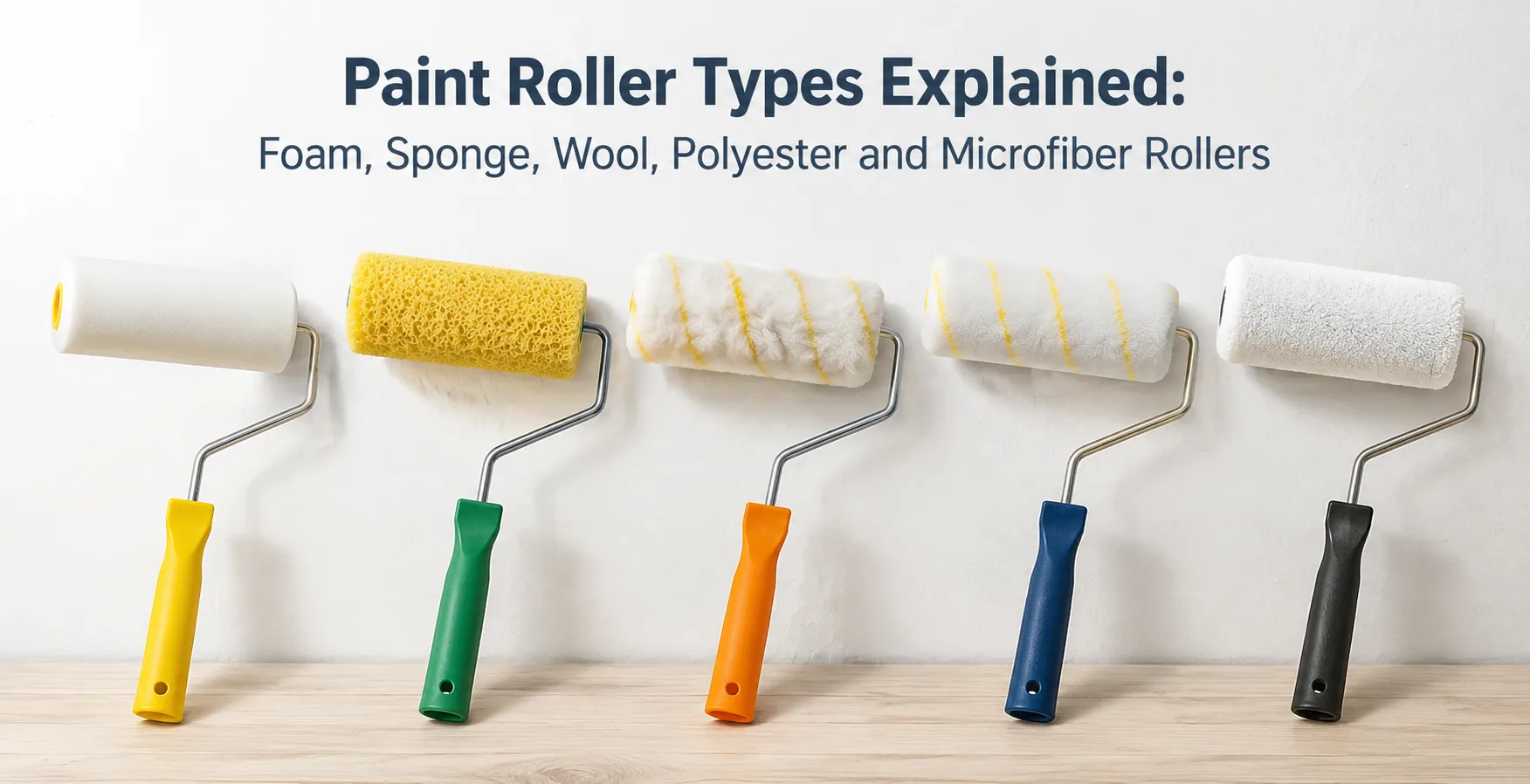
After these steps, the wall has been qualified. Then you can choose your preferred paint brush to paint the walls. When spray painting, brush primer 1-2 times. After the primer dries, brush the top coat, usually twice, so that the wall is repainted.